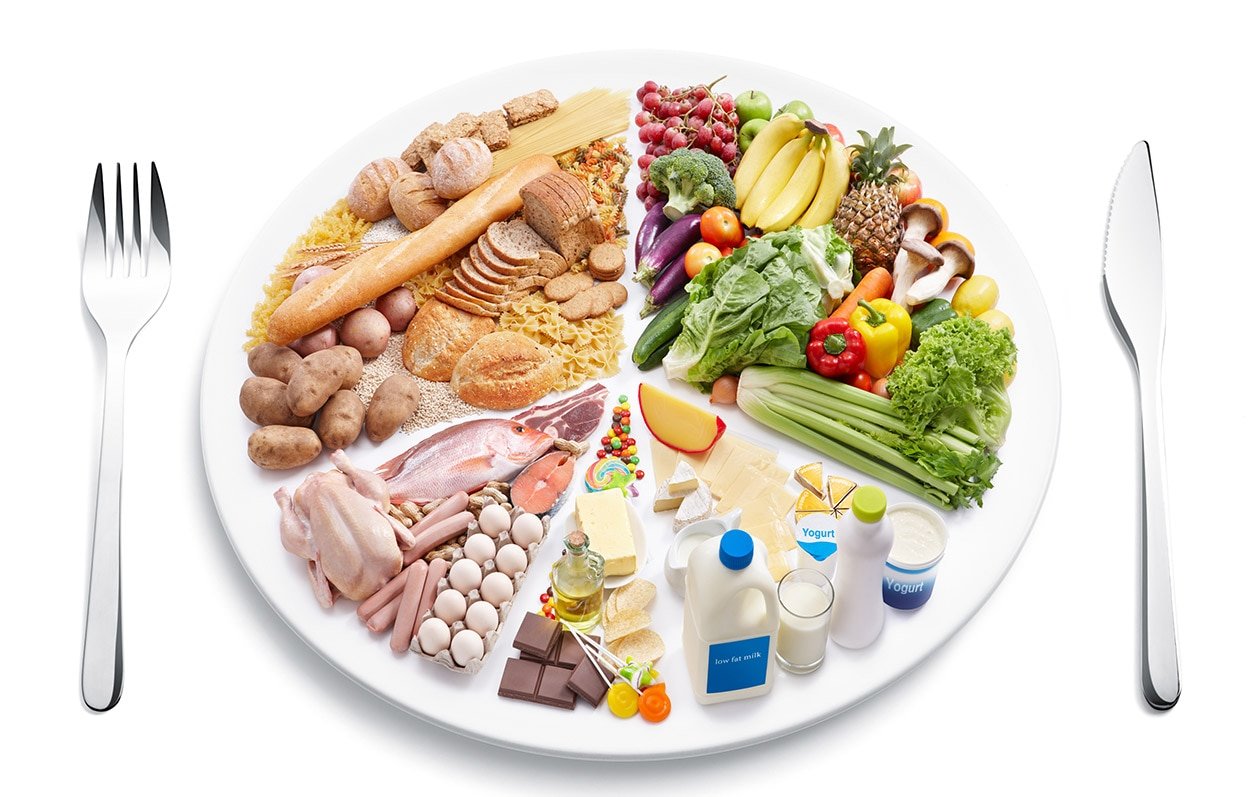
What Does a Balanced Diet Look Like?
A balanced diet provides your body with the nutrients and energy it needs to function properly, stay active, and support long-term health. It does not mean following a strict diet, eliminating carbohydrates, or eating perfectly at every meal. Instead, a balanced diet is about eating a variety of foods in appropriate amounts and building healthy eating habits that you can maintain over time.
A healthy eating pattern generally includes vegetables, fruits, whole grains, protein-rich foods, and sources of healthy fats. It should also provide important vitamins, minerals, fiber, and enough fluids.
Your nutritional needs can change depending on your age, activity level, health conditions, lifestyle, and other individual factors. For that reason, there is no single meal plan that is perfect for everyone.
Understanding what a balanced diet looks like can help you make practical food choices without relying on restrictive diets or confusing nutrition trends.
What Is a Balanced Diet?
A balanced diet is an eating pattern that provides a range of essential nutrients while including a variety of food groups.
The main components include:
- Vegetables
- Fruits
- Whole grains and other high-fiber carbohydrates
- Protein-rich foods
- Healthy fats
- Dairy or suitable alternatives
- Adequate fluids
A balanced diet also considers the amount and frequency of different foods. Highly processed foods, foods high in added sugars, and foods high in sodium can fit occasionally, but they generally should not make up most of your diet.
The U.S. Department of Agriculture’s MyPlate provides practical guidance on building balanced meals around major food groups.
Why Is a Balanced Diet Important?
Food provides the energy and nutrients your body needs every day. Protein helps maintain muscles and tissues, carbohydrates provide energy, fats support cells and hormone production, and vitamins and minerals help regulate numerous biological processes.
A balanced eating pattern can support:
- Healthy body weight
- Heart health
- Strong bones
- Muscle maintenance
- Digestive health
- Immune function
- Stable energy
- Blood sugar management
- Overall well-being
No single food provides every nutrient your body needs. Variety is therefore one of the most important principles of healthy eating.
Make Vegetables a Major Part of Your Meals
Vegetables are rich in fiber, vitamins, minerals, and beneficial plant compounds. Eating a variety of vegetables can help increase your intake of nutrients while adding color, flavor, and texture to meals.
Choose Different Types of Vegetables
Try including vegetables from different groups, such as:
- Leafy greens
- Carrots
- Tomatoes
- Bell peppers
- Broccoli
- Cauliflower
- Green beans
- Peas
- Squash
- Mushrooms
Fresh, frozen, and appropriately prepared canned vegetables can all contribute to a healthy eating pattern.
Try to Fill a Large Portion of Your Plate With Vegetables
At lunch or dinner, vegetables can make up a substantial part of the meal.
For example, a meal could include grilled chicken, brown rice, and a large serving of mixed vegetables. Another option could be lentils with whole-grain roti and a vegetable salad.
The exact portions depend on individual energy and nutritional needs.
Include Fruit Every Day
Fruit provides fiber, vitamins, minerals, and naturally occurring carbohydrates.
Whole fruits are generally more filling than fruit juice because they retain their fiber.
Choose a Variety of Fruits
Examples include:
- Apples
- Bananas
- Oranges
- Berries
- Mangoes
- Guava
- Papaya
- Pears
- Melons
Rather than focusing on one “healthiest” fruit, variety is more useful.
Fruit can be eaten as a snack, added to oatmeal or yogurt, or included as part of a balanced breakfast.
Choose Whole Grains and High-Fiber Carbohydrates
Carbohydrates are an important source of energy. A balanced diet does not require eliminating carbohydrates.
The quality of carbohydrate sources matters.
Choose Whole Grains More Often
Whole-grain foods retain more of the grain’s naturally occurring fiber and nutrients than refined grains.
Examples include:
- Oats
- Brown rice
- Whole-wheat bread
- Whole-grain pasta
- Barley
- Quinoa
- Millets
- Whole-grain cereals
In many traditional diets, foods such as whole-wheat roti, oats, brown rice, and millets can fit naturally into balanced meals.
Include Protein-Rich Foods
Protein is essential for muscle maintenance, tissue repair, immune function, enzymes, hormones, and other processes.
Protein can come from both animal and plant foods.
Good Sources of Protein
Options include:
- Eggs
- Fish
- Chicken
- Lean meats
- Milk
- Yogurt
- Beans
- Lentils
- Chickpeas
- Tofu
- Soy products
- Nuts and seeds
If you follow a vegetarian or vegan eating pattern, combining a variety of plant foods can help provide adequate protein and other essential nutrients.
Don’t Avoid Healthy Fats
Fat is an essential nutrient. Your body needs dietary fat for cell function, absorption of certain vitamins, and other important processes.
The goal is not to eliminate fat but to choose healthier sources more often.
Choose Unsaturated Fats
Foods containing unsaturated fats include:
- Avocados
- Nuts
- Seeds
- Olive oil
- Canola oil
- Peanut oil
- Fatty fish
Limit excessive intake of foods high in saturated and trans fats. The appropriate balance depends on your overall diet and individual health needs.
Include Calcium-Rich Foods
Calcium is important for maintaining strong bones and teeth. Dairy products are common sources, but people who avoid dairy have other options.
Calcium Sources
Examples include:
- Milk
- Yogurt
- Cheese
- Calcium-fortified plant beverages
- Tofu made with calcium
- Certain leafy green vegetables
- Some fish eaten with bones
Vitamin D also plays an important role in calcium absorption and bone health.
If you are concerned about your calcium or vitamin D intake, discuss your needs with a healthcare professional.
Drink Enough Fluids
Water is essential for numerous functions, including temperature regulation, circulation, digestion, and waste removal.
Your fluid needs vary based on factors such as weather, physical activity, diet, age, and health conditions.
Make Water Your Main Beverage
Water is generally a simple choice for staying hydrated without adding sugar or excess calories.
Other beverages can contribute to fluid intake, but sugary drinks should generally be limited.
If you exercise heavily or spend significant time in hot weather, your fluid needs may increase.
Limit Added Sugars
Sugar occurs naturally in foods such as fruit and milk. Added sugars are incorporated into foods and drinks during processing or preparation.
Frequently consuming large amounts of added sugar can make it easier to consume excess calories without providing many essential nutrients.
Watch Sugary Drinks
Soft drinks, sweetened teas, energy drinks, flavored coffees, and other sugary beverages can contain substantial amounts of added sugar.
Try replacing some of these drinks with water, unsweetened tea, or other lower-sugar alternatives.
You do not necessarily need to eliminate desserts completely. The overall pattern of your diet matters more than occasional treats.
Be Mindful of Sodium
Sodium is an essential mineral, but excessive sodium intake can contribute to high blood pressure in some people.
Large amounts of sodium can come from packaged foods, processed meats, sauces, instant meals, snacks, and restaurant foods.
Compare Nutrition Labels
When purchasing packaged foods, compare sodium levels between similar products.
Cooking more meals at home can also make it easier to control the amount of salt used.
Herbs, spices, garlic, ginger, lemon, and other ingredients can add flavor without relying entirely on salt.
What Should a Balanced Plate Look Like?
A simple way to visualize a balanced meal is to divide your plate among different food groups.
A Practical Plate Method
A general meal might include:
- About half the plate: vegetables and/or fruit
- About one-quarter: protein-rich foods
- About one-quarter: whole grains or other high-fiber carbohydrates
You can add a small amount of healthy fat and an appropriate dairy or fortified alternative when suitable.
This is a general framework rather than a strict rule. Your individual nutritional needs may require different portions.
What Does a Balanced Breakfast Look Like?
Breakfast does not need to be complicated.
A balanced breakfast could combine protein, fiber-rich carbohydrates, fruit, and healthy fats.
Breakfast Examples
Options include:
- Oatmeal with berries, yogurt, and nuts
- Eggs with whole-grain toast and vegetables
- Plain yogurt with fruit and seeds
- Vegetable poha with yogurt
- Whole-wheat roti with eggs and vegetables
- Oats with milk, fruit, and nuts
If you prefer not to eat breakfast, the overall quality of your daily eating pattern is generally more important than following a specific meal schedule.
What Does a Balanced Lunch Look Like?
A balanced lunch can be built around vegetables, protein, and high-fiber carbohydrates.
Simple Lunch Ideas
Examples include:
- Grilled fish with brown rice and vegetables
- Lentils with whole-wheat roti and salad
- Chickpea salad with vegetables and whole grains
- Chicken with quinoa and roasted vegetables
- Vegetable and bean bowl with yogurt
Portions should reflect your hunger, activity level, and individual nutritional requirements.
What Does a Balanced Dinner Look Like?
Dinner can follow the same basic approach as lunch.
For example, you could combine grilled chicken or tofu with vegetables and brown rice. Another option is lentil curry with whole-wheat roti and a large vegetable salad.
Keep Dinner Comfortable
Some people find that very large meals late at night cause discomfort or affect sleep.
If this applies to you, consider eating dinner earlier or choosing a lighter meal.
There is no universal rule about the ideal dinner time. Your schedule, health, and preferences all matter.
Healthy Snacks Can Fit Into a Balanced Diet
Snacks can be useful when you are hungry between meals, particularly if you have a physically active lifestyle.
Nutritious Snack Ideas
Consider:
- Fresh fruit
- Plain yogurt
- A small handful of nuts
- Roasted chickpeas
- Vegetable sticks with hummus
- Boiled eggs
- Whole-grain crackers with nut butter
You do not have to snack if you are not hungry. Listen to your body’s hunger and fullness signals.
How Often Can You Eat Treat Foods?
A balanced diet does not mean avoiding every food that is considered “unhealthy.”
Pizza, desserts, fried foods, chips, and other treats can occasionally fit into an overall nutritious eating pattern.
Think About Your Overall Eating Pattern
Instead of labeling foods as completely “good” or “bad,” consider how frequently you eat them and what your overall diet looks like.
If most of your meals are based on nutritious foods, occasional treats can be enjoyed without turning your diet into an overly restrictive routine.
Common Balanced Diet Mistakes to Avoid
Even people trying to eat healthily can fall into certain traps.
Avoid Extreme Restriction
Cutting out entire food groups without a medical reason can make it harder to meet nutritional needs.
Don’t Rely on Supplements for a Poor Diet
Multivitamins and other supplements cannot replace a varied diet. Supplements may be appropriate when a deficiency or specific nutritional need has been identified, but they should be used thoughtfully.
Don’t Chase Nutrition Trends
Social media can make certain diets or foods appear universally beneficial. Nutrition research is more complex, and what works for one person may not be appropriate for another.
How to Build a Balanced Diet on a Budget
Healthy eating does not have to be expensive.
Choose Affordable Nutrient-Dense Foods
Budget-friendly options can include:
- Beans
- Lentils
- Eggs
- Oats
- Seasonal vegetables
- Frozen vegetables
- Bananas
- Whole grains
- Potatoes
- Canned fish
- Plain yogurt
Planning meals in advance and cooking larger batches can also reduce food waste and make healthy eating more convenient.
How to Make a Balanced Diet Sustainable
The best eating pattern is one that you can maintain.
Instead of changing your entire diet overnight, start with small improvements.
Make One Change at a Time
You might begin by adding vegetables to one meal each day. Then replace some refined grains with whole grains, add more protein, or reduce sugary drinks.
Over time, these small changes can become normal parts of your routine.
When Should You Seek Professional Nutrition Advice?
General healthy eating guidance works for many people, but some individuals have specific nutritional needs.
You may benefit from personalized advice if you have diabetes, kidney disease, digestive conditions, food allergies, an eating disorder, are pregnant, are recovering from illness, or have another condition that affects nutrition.
A registered dietitian or qualified healthcare professional can help develop an eating plan that fits your health needs.
Frequently Asked Questions
What are the five main components of a balanced diet?
A balanced diet commonly includes vegetables and fruits, whole grains or other high-fiber carbohydrates, protein-rich foods, healthy fats, and adequate fluids. Dairy or fortified alternatives can also provide important nutrients.
Can I eat carbohydrates on a balanced diet?
Yes. Carbohydrates are an important energy source. Choosing whole grains, vegetables, fruits, beans, and other high-fiber carbohydrate sources more often can provide useful nutrients and fiber.
How much fruit should I eat every day?
Fruit needs vary depending on individual calorie and nutritional requirements. Including a variety of whole fruits as part of a balanced diet can help provide fiber, vitamins, minerals, and other beneficial nutrients.
Is a balanced diet the same for everyone?
No. Nutritional needs vary according to age, sex, activity level, health conditions, cultural food preferences, and other factors. A general balanced-diet framework can be adapted to individual needs.
Do I need supplements if I eat a balanced diet?
Not necessarily. Many people can obtain most nutrients from a varied diet. Supplements may be useful in specific situations, but high-dose supplements should not be taken without an appropriate reason or professional guidance.
Final Thoughts
A balanced diet is not about perfection, strict rules, or eliminating your favorite foods. It is about creating an overall eating pattern that provides the nutrients your body needs while remaining practical and enjoyable.
Build meals around vegetables and fruits, whole grains, nutritious protein sources, healthy fats, and adequate fluids. Limit excessive added sugar, sodium, and highly processed foods, while allowing room for occasional treats.
Most importantly, make changes that you can maintain over the long term. If you have a specific medical condition or nutritional concern, seek individualized advice from a qualified healthcare professional or registered dietitian.
Healthy eating is not a short-term diet. It is a sustainable approach to supporting energy, well-being, and long-term health.