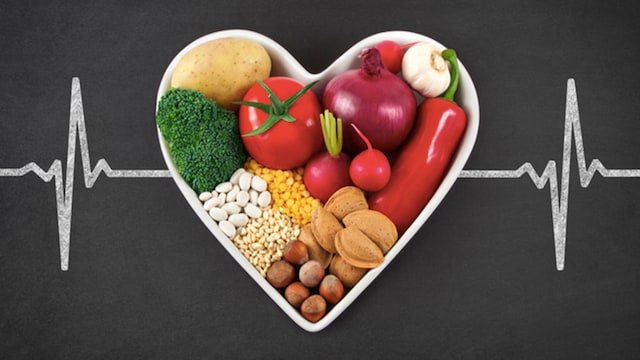
Your heart works continuously to circulate blood, deliver oxygen and nutrients, and support every organ in your body. While genetics, physical activity, sleep, stress, smoking, and other factors all influence cardiovascular health, your everyday food choices also matter.
A heart-healthy diet is not about eating a handful of “superfoods” or following a restrictive diet. Instead, it focuses on a pattern of eating that includes plenty of vegetables and fruits, whole grains, healthy protein sources, nuts and seeds, and unsaturated fats while limiting excess sodium, added sugars, saturated fats, and highly processed foods.
The American Heart Association’s current dietary guidance emphasizes vegetables and fruits, whole grains, healthy protein sources, unsaturated fats, minimally processed foods, and lower sodium and added-sugar intake.
If you want to improve your diet for better heart health, the following foods are practical choices to include regularly.
Why Food Choices Matter for Heart Health
The foods you eat can influence several factors associated with cardiovascular health, including blood pressure, cholesterol levels, blood sugar, body weight, and overall nutrient intake.
A heart-friendly eating pattern tends to provide plenty of dietary fiber, vitamins, minerals, and unsaturated fats while keeping saturated fat, sodium, and added sugars under control.
For example, vegetables, fruits, whole grains, beans, nuts, seeds, and fish can contribute nutrients that support a balanced eating pattern. The NIH’s National Heart, Lung, and Blood Institute recommends these foods as part of heart-healthy eating and highlights the DASH eating plan as one evidence-based approach.
Best Foods for a Healthy Heart
There is no single food that guarantees protection from heart disease. However, regularly choosing nutrient-rich foods can help create an overall dietary pattern that supports cardiovascular wellness.
Leafy Green Vegetables
Leafy greens such as spinach, kale, mustard greens, and other dark green vegetables are rich in nutrients and can be an excellent addition to a heart-conscious diet.
They provide fiber, potassium, folate, and other vitamins and minerals. They are also naturally low in calories and saturated fat.
Try adding leafy greens to salads, soups, vegetable dishes, wraps, omelets, or smoothies.
Other Colorful Vegetables
Heart-healthy eating should include more than leafy greens. Broccoli, carrots, tomatoes, bell peppers, cauliflower, peas, pumpkin, and sweet potatoes can all contribute to a varied diet.
Different vegetables provide different combinations of nutrients and plant compounds. Eating a variety of colors throughout the week is an easy way to improve dietary diversity.
Fresh, frozen, and some canned vegetables can all fit into a healthy eating pattern. When buying canned options, look for products without added salt when possible.
Berries and Other Fruits
Berries such as strawberries, blueberries, raspberries, and blackberries are convenient sources of fiber and other nutrients.
Other fruits, including apples, oranges, bananas, pears, guava, papaya, and pomegranate, can also be part of a heart-healthy diet.
Whole fruit is generally a useful choice because it provides fiber along with naturally occurring sugars.
Instead of relying on fruit juice, consider eating whole fruit as a snack, adding it to oatmeal, or combining it with plain yogurt.
Oats and Other Whole Grains
Whole grains contain more of the naturally occurring grain components than refined grains and can contribute dietary fiber and other nutrients.
Good choices include oats, brown rice, whole-wheat bread, barley, quinoa, and other whole-grain foods.
Oatmeal can be an especially simple breakfast option. You can combine plain oats with fruit, nuts, seeds, and unsweetened yogurt or milk for a balanced meal.
The American Heart Association recommends choosing foods made mostly with whole grains as part of a heart-healthy dietary pattern.
Beans, Lentils, and Other Legumes
Beans and lentils are affordable sources of plant-based protein and dietary fiber.
Kidney beans, chickpeas, black beans, green gram, black gram, peas, and lentils can be used in soups, curries, salads, wraps, and grain-based meals.
Replacing some meals centered around processed or fatty meats with legumes can increase fiber and plant-based protein in your diet.
If you use canned beans, rinsing them can help reduce some of the sodium.
Fatty Fish
Fish can be an important part of a heart-conscious eating pattern. Fatty fish such as salmon, sardines, trout, herring, and mackerel provide omega-3 fatty acids.
The American Heart Association recommends eating fish regularly as part of a heart-healthy dietary pattern.
Choose baked, grilled, steamed, or otherwise lightly prepared fish rather than frequently choosing deep-fried or heavily breaded versions.
If you do not eat fish, plant foods such as walnuts, flaxseeds, and chia seeds can provide another source of healthy fats, although the types of omega-3 fats they contain differ from those found in fish.
Nuts and Seeds
Nuts and seeds provide unsaturated fats, protein, fiber, vitamins, and minerals.
Almonds, walnuts, pistachios, peanuts, chia seeds, flaxseeds, sunflower seeds, and pumpkin seeds can all be useful additions to meals.
Because nuts and seeds are energy-dense, portions matter. Choose unsalted or lightly salted varieties when possible.
You can add a small amount to oatmeal, yogurt, salads, vegetables, or whole-grain meals.
Avocados
Avocados are rich in monounsaturated fats and also provide fiber and several micronutrients.
They can be used in place of some foods that are higher in saturated fat. Try adding avocado to whole-grain toast, salads, sandwiches, or grain bowls.
The goal is not to eat unlimited amounts, but to use nutrient-rich sources of unsaturated fats as part of a balanced diet.
Healthy Plant Oils
Cooking oils can make a difference in the overall fat profile of your diet.
Unsaturated plant oils, including olive, canola, sunflower, soybean, and other vegetable oils, can be useful alternatives to fats that are higher in saturated fat.
The American Heart Association’s dietary guidance recommends replacing saturated fats with unsaturated fats rather than simply adding more fat to the diet.
Low-Fat or Fat-Free Dairy Foods
Plain low-fat or fat-free yogurt and milk can provide calcium, protein, and other nutrients.
Choose products with little or no added sugar when possible. For people who cannot tolerate dairy, fortified alternatives may provide similar nutrients, although nutritional content varies between products.
Reading the nutrition label can help you compare protein, added sugar, saturated fat, and sodium.
Foods That May Support Healthy Cholesterol Levels
Dietary patterns rich in soluble fiber can be helpful when managing cholesterol as part of an overall healthy lifestyle.
Soluble Fiber Foods
Oats, barley, beans, lentils, apples, citrus fruits, and some other plant foods contain soluble fiber.
Rather than focusing on one food, aim to gradually increase the variety of fiber-rich foods in your meals.
Drinking enough fluids and increasing fiber gradually can also make dietary changes more comfortable.
Foods Rich in Unsaturated Fats
Replacing some foods high in saturated fat with foods containing unsaturated fats is another useful strategy.
Nuts, seeds, avocados, fish, and plant oils can contribute unsaturated fats to the diet.
This approach fits within broader heart-healthy dietary recommendations from the AHA and NHLBI.
Foods to Limit for Better Heart Health
Adding healthy foods is important, but it is also useful to pay attention to foods that can make a diet higher in sodium, saturated fat, added sugar, or excess calories.
Processed and Cured Meats
Bacon, sausages, salami, hot dogs, and other processed meats can contain substantial amounts of sodium and saturated fat.
Try replacing some processed meat servings with beans, lentils, fish, poultry, or other less processed protein choices.
Foods High in Saturated Fat
Foods such as fatty meats, full-fat dairy products, butter, and certain tropical oils can contribute significant saturated fat.
You do not necessarily need to eliminate every food containing saturated fat. Instead, emphasize healthier unsaturated-fat sources and keep saturated-fat-rich foods limited.
High-Sodium Foods
Excess sodium can contribute to higher blood pressure in many people.
Packaged snacks, instant meals, processed meats, sauces, pickles, restaurant foods, and some canned products can contain substantial amounts of sodium.
The AHA recommends no more than 2,300 mg of sodium per day for adults, with an ideal limit of no more than 1,500 mg for most adults, particularly those with high blood pressure. Individual needs can vary.
Sugary Drinks and Excess Added Sugar
Soft drinks, sweetened beverages, energy drinks, desserts, and other foods with substantial added sugar can add calories without providing many essential nutrients.
Choose water or unsweetened beverages more often, and make whole fruit the regular choice when you want something naturally sweet.
How to Build a Heart-Healthy Plate
You do not need to calculate every nutrient at every meal.
Fill Your Plate With Plant Foods
A simple approach is to make vegetables and other plant foods a major part of your meal.
Add a source of protein such as beans, lentils, fish, skinless poultry, tofu, or another suitable option. Include a whole-grain or other nutrient-rich carbohydrate, and use a moderate amount of healthy fat.
This approach creates variety while making meals satisfying.
Choose Simple Cooking Methods
How you prepare food can matter as much as what you buy.
Try baking, steaming, grilling, roasting, sautéing with a modest amount of oil, or cooking foods in ways that do not require large amounts of added fat or salt.
Fresh herbs, spices, garlic, ginger, lemon, lime, and vinegar can add flavor without relying heavily on salt.
A Simple Heart-Healthy Daily Meal Plan
Breakfast
Try oatmeal topped with berries, banana, walnuts, and plain yogurt. Alternatively, choose whole-grain toast with avocado and an egg alongside fresh fruit.
Lunch
A balanced lunch could include a large vegetable salad with chickpeas or grilled fish, brown rice or another whole grain, and a small amount of unsaturated oil-based dressing.
Snack
Choose fruit, unsalted nuts, plain yogurt, or vegetables with a bean-based dip.
Dinner
Consider grilled or baked fish, lentils, beans, or skinless poultry with vegetables and brown rice, whole-grain roti, or another whole-grain option.
The exact foods can vary according to culture, budget, dietary preferences, and nutritional needs.
Heart-Healthy Eating Does Not Have to Be Expensive
Healthy eating can fit different budgets.
Choose Seasonal Produce
Seasonal fruits and vegetables may be more affordable and are an easy way to add variety.
Frozen vegetables and fruits can also be practical, especially when fresh produce is unavailable.
Use Beans and Lentils
Beans, peas, and lentils are often affordable sources of protein and fiber. They can form the foundation of many nutritious meals.
Buy Whole Grains in Practical Quantities
Oats, brown rice, whole-wheat flour, and other whole grains can be used across multiple meals.
Planning meals before shopping can also reduce food waste and make healthy choices easier.
Is the DASH Diet Good for Heart Health?
The Dietary Approaches to Stop Hypertension, or DASH, is an evidence-based eating plan developed with support from the NHLBI.
It emphasizes vegetables, fruits, whole grains, low-fat or fat-free dairy, fish, poultry, beans, nuts, seeds, and vegetable oils while limiting sodium, saturated fat, and added sugars.
Research supported by the NHLBI has found that DASH can lower blood pressure and improve cholesterol-related measures, particularly when combined with reduced sodium intake.
You can learn more about the eating pattern through the NHLBI DASH Eating Plan.
Common Mistakes When Eating for Heart Health
Focusing on Individual Superfoods
No single food can compensate for an overall poor diet. Heart health is better supported by consistent dietary patterns.
Choosing “Healthy” Packaged Foods Without Checking Labels
Some products marketed as healthy can still contain considerable sodium, added sugar, or saturated fat.
Compare nutrition labels and choose options that fit your overall dietary goals.
Making Too Many Changes at Once
You do not need to completely redesign your diet overnight.
Start with manageable changes, such as adding an extra serving of vegetables, replacing sugary drinks with water, choosing whole grains more often, or reducing processed meats.
Frequently Asked Questions
What is the best food for heart health?
There is no single best food for heart health. A varied pattern containing vegetables, fruits, whole grains, legumes, nuts, seeds, fish, and healthy sources of unsaturated fat is more important than relying on one food.
Are eggs good for heart health?
Eggs can provide protein and several nutrients and can fit into many healthy dietary patterns. The overall diet, preparation method, and individual health circumstances matter.
Are bananas good for the heart?
Bananas provide potassium and can be part of a balanced heart-healthy diet. However, people with certain kidney conditions or other medical issues may need individualized potassium guidance.
What should I drink for better heart health?
Water is a simple everyday choice. Unsweetened tea and other beverages without added sugar can also fit into a healthy dietary pattern.
Can diet alone prevent heart disease?
Diet is an important part of cardiovascular health, but it is only one factor. Physical activity, smoking status, sleep, blood pressure, cholesterol, blood sugar, weight, genetics, and medical conditions also matter.
Final Thoughts
The best foods for heart health are not necessarily exotic or expensive. Vegetables, fruits, whole grains, beans, lentils, nuts, seeds, fish, and healthy plant oils can form the foundation of a nutritious eating pattern.
At the same time, reducing excess sodium, added sugars, saturated fats, processed meats, and highly processed foods can help create a more heart-conscious diet.
Focus on consistent habits rather than perfection. Small improvements repeated over time can make healthy eating easier to maintain.
If you have heart disease, high blood pressure, high cholesterol, diabetes, kidney disease, or another medical condition, discuss major dietary changes with your healthcare professional because your nutritional needs may be different.
This article is for general educational purposes and is not a substitute for individualized medical advice, diagnosis, or treatment.