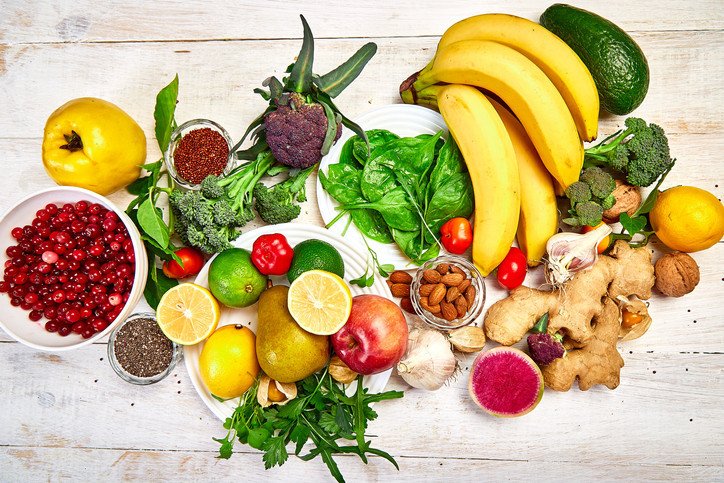
Vitamins and minerals are essential nutrients that help your body perform hundreds of everyday functions. They support normal immune function, energy metabolism, healthy bones, blood formation, nerve function, muscle activity, and many other processes. Because your body needs different nutrients in different amounts, eating a varied diet is one of the best ways to meet your nutritional needs.
The good news is that many nutrient-rich foods are affordable, accessible, and easy to include in everyday meals. Vegetables, fruits, legumes, whole grains, nuts, seeds, dairy foods, eggs, fish, seafood, and lean protein can all contribute important vitamins and minerals.
Rather than focusing on one particular “superfood,” it is more useful to build a diet around a variety of foods. The NIH Office of Dietary Supplements provides detailed information about individual vitamins and minerals, including their food sources, recommended amounts, and supplement safety.
Why Vitamins and Minerals Are Important
Vitamins and minerals are micronutrients, meaning your body generally needs them in smaller amounts than carbohydrates, protein, and fat. However, their importance should not be underestimated.
Vitamin A supports normal vision and immune function. B vitamins are involved in energy metabolism and cell processes. Vitamin C contributes to collagen formation and helps the body absorb iron from plant foods. Vitamin D helps the body absorb calcium, while vitamin K plays a role in normal blood clotting.
Minerals such as iron, calcium, magnesium, potassium, zinc, and iodine also have important functions.
A nutrient-rich diet can therefore support overall health by providing a broad range of essential nutrients rather than concentrating on just one or two.
Best Foods Rich in Vitamins and Minerals
Many foods provide several nutrients at the same time. Including a mixture of the following foods can make your diet more nutritious and varied.
Leafy Green Vegetables
Leafy greens are among the most nutrient-dense foods you can add to your meals. Spinach, kale, mustard greens, collard greens, and other leafy vegetables can provide vitamin K, folate, vitamin A precursors, vitamin C, magnesium, and other nutrients.
They are also naturally low in calories and can contribute dietary fiber.
Try adding leafy greens to salads, soups, curries, stir-fries, omelets, sandwiches, or smoothies.
Citrus Fruits
Oranges, grapefruit, lemons, and other citrus fruits are well-known sources of vitamin C.
Vitamin C is important for collagen production, wound healing, immune function, and the absorption of non-heme iron from plant foods.
Whole citrus fruits are a practical choice because they provide fiber in addition to vitamins and minerals.
Berries
Strawberries, blueberries, raspberries, and blackberries can contribute vitamin C, folate, fiber, and other beneficial plant compounds.
Fresh or frozen berries can be added to oatmeal, plain yogurt, smoothies, or salads. Choosing whole fruit more often than fruit drinks also helps you get dietary fiber.
Carrots and Orange Vegetables
Carrots, pumpkin, sweet potatoes, and other orange or yellow vegetables can provide carotenoids that the body can convert to vitamin A.
Vitamin A is important for normal vision, immune function, and the maintenance of tissues.
The NIH notes that green leafy vegetables and orange and yellow vegetables are important sources of provitamin A carotenoids.
Tomatoes
Tomatoes provide vitamin C, vitamin A precursors, potassium, and other nutrients.
They are versatile enough to use in salads, soups, sauces, curries, sandwiches, and vegetable dishes.
Using tomatoes alongside other vegetables can help increase the overall variety of your diet.
Protein Foods That Provide Important Nutrients
Protein-rich foods can also be excellent sources of vitamins and minerals.
Eggs
Eggs provide high-quality protein and several micronutrients, including vitamin B12, riboflavin, selenium, iodine, and choline.
They are easy to prepare and can be included in breakfast, salads, sandwiches, or main meals.
Eggs are particularly useful as part of a varied diet rather than as the sole source of any particular nutrient.
Fatty Fish
Salmon, sardines, trout, tuna, and mackerel can provide protein, vitamin B12, selenium, and other nutrients. Fatty fish are also among the better natural food sources of vitamin D.
According to the NIH Office of Dietary Supplements, relatively few foods naturally contain substantial vitamin D, with fatty fish such as salmon, tuna, and mackerel among the best sources.
Fish can be baked, grilled, steamed, or prepared with a modest amount of healthy oil.
Lean Meat and Poultry
Lean meat and poultry can provide protein along with nutrients such as iron, zinc, vitamin B6, and vitamin B12.
Iron is particularly important because it is required for hemoglobin, the protein that helps red blood cells transport oxygen.
If you eat meat, choosing leaner cuts and varying your protein sources can help create a more balanced dietary pattern.
Dairy Foods
Milk, yogurt, and cheese can provide calcium, protein, phosphorus, and other nutrients. Some dairy products are also fortified with vitamin D.
Plain or minimally sweetened options can be useful choices, especially if you are trying to limit added sugars.
People who avoid dairy can consider fortified alternatives, but nutritional content varies considerably between products, so checking labels is worthwhile.
Plant-Based Foods Rich in Minerals
You do not need to rely entirely on animal foods to obtain important minerals.
Beans and Lentils
Beans, chickpeas, kidney beans, black beans, peas, and lentils provide fiber, plant protein, iron, magnesium, potassium, zinc, and several B vitamins.
They can be used in soups, salads, curries, dals, wraps, grain bowls, and other meals.
Regularly including legumes is a simple way to increase both protein and micronutrient variety.
Nuts
Almonds, peanuts, cashews, walnuts, pistachios, and other nuts provide magnesium, vitamin E, copper, manganese, and other nutrients.
Because nuts are energy-dense, a moderate portion can be enough to add nutritional value to a meal or snack.
Choose unsalted nuts more often if you are trying to reduce sodium intake.
Seeds
Seeds can be small but nutrient-rich. Pumpkin seeds, sunflower seeds, chia seeds, sesame seeds, and flaxseeds provide varying amounts of magnesium, zinc, iron, calcium, and other nutrients.
Sprinkle seeds over oatmeal, yogurt, salads, soups, or vegetable dishes.
Whole Grains
Whole grains such as oats, brown rice, barley, quinoa, and whole-wheat products can provide B vitamins, magnesium, iron, selenium, and dietary fiber.
The exact nutrient content varies by grain and how it is processed.
For example, whole grains generally retain more of the grain’s naturally occurring components than refined grains.
The NIH identifies whole grains among the food sources of thiamin, a B vitamin involved in normal energy metabolism.
Foods Rich in Specific Vitamins
Knowing which foods contain particular vitamins can help you create a more varied diet.
Vitamin A Foods
Good sources include carrots, sweet potatoes, pumpkin, spinach, kale, eggs, and some dairy products.
Plant foods commonly provide carotenoids that the body can convert to vitamin A, while animal foods can provide preformed vitamin A.
Vitamin B12 Foods
Vitamin B12 is naturally present in foods of animal origin, including fish, meat, poultry, eggs, and dairy products. Some fortified foods can also provide B12.
People who follow vegan diets may need to pay particular attention to fortified foods or supplements because natural plant foods do not generally provide vitamin B12.
Vitamin C Foods
Citrus fruits, strawberries, kiwi, bell peppers, tomatoes, broccoli, and potatoes can provide vitamin C.
Including fruits and vegetables at several meals can make it easier to obtain adequate vitamin C from food.
Vitamin D Foods
Fatty fish and fortified foods are among the most useful dietary sources of vitamin D. Eggs can provide smaller amounts.
Because relatively few foods naturally contain vitamin D, some people may require individualized advice about vitamin D intake or supplementation.
Vitamin E Foods
Nuts, seeds, vegetable oils, spinach, and broccoli can provide vitamin E.
The NIH lists vegetable oils, almonds, sunflower seeds, and green vegetables among food sources of vitamin E.
Vitamin K Foods
Dark green leafy vegetables are particularly good sources of vitamin K.
Spinach, kale, broccoli, and other green vegetables can make a valuable contribution to a nutrient-rich diet.
People taking certain anticoagulant medications should discuss major changes in vitamin K intake with their healthcare professional.
Foods Rich in Important Minerals
Calcium-Rich Foods
Milk, yogurt, cheese, calcium-fortified plant beverages, tofu made with calcium, and certain fish eaten with their edible bones can provide calcium.
Calcium is important for maintaining strong bones and teeth and also contributes to normal muscle and nerve function.
Iron-Rich Foods
Iron can be found in lean meat, seafood, poultry, beans, lentils, spinach, and fortified cereals.
Eating plant sources of iron alongside vitamin C-rich foods may help improve absorption of non-heme iron.
Magnesium-Rich Foods
Nuts, seeds, legumes, whole grains, and leafy green vegetables are useful sources of magnesium.
Magnesium is involved in normal muscle and nerve function and numerous biochemical reactions throughout the body.
Potassium-Rich Foods
Potatoes, bananas, beans, lentils, tomatoes, leafy greens, yogurt, and some fish can provide potassium.
However, people with kidney disease or certain medical conditions may have specific potassium requirements, so dietary changes should sometimes be discussed with a healthcare professional.
Zinc-Rich Foods
Oysters and other seafood, meat, poultry, dairy products, beans, nuts, and whole grains can contribute zinc.
Zinc supports immune function, wound healing, cell growth, and normal metabolism.
How to Get More Vitamins and Minerals From Your Diet
Eating nutrient-rich foods does not require a complicated meal plan.
Add Variety to Your Plate
Try to include different colors of fruits and vegetables throughout the week. Different foods provide different combinations of vitamins, minerals, fiber, and other beneficial compounds.
A meal containing leafy greens, legumes, whole grains, and a protein source can provide a much broader range of nutrients than a meal based around one food.
Choose Whole Foods More Often
Whole or minimally processed foods can provide vitamins and minerals alongside protein, fiber, healthy fats, and other nutrients.
This does not mean every processed food must be avoided. Fortified foods can be useful sources of certain nutrients, particularly for people with specific dietary needs.
Make Simple Food Swaps
Small changes can increase nutrient intake without completely changing your diet.
For example, replace refined grains with whole grains, add vegetables to lunch and dinner, choose fruit instead of a sugary snack, add beans to meals, and use nuts or seeds as a topping.
Do You Need Vitamin and Mineral Supplements?
Supplements can be useful in certain circumstances, but they should not automatically replace a varied diet.
The NIH explains that multivitamin and mineral supplements cannot replace the variety of foods that provide vitamins, minerals, fiber, and other beneficial components.
Some people may need supplements because of pregnancy, restrictive diets, diagnosed deficiencies, certain medical conditions, or problems with nutrient absorption.
Taking very high doses without professional advice can also be risky. Some vitamins and minerals have established upper intake limits, and excessive amounts can cause adverse effects.
If you are considering a supplement, particularly a high-dose product, discuss it with a doctor, pharmacist, or qualified dietitian.
A Simple Day of Vitamin- and Mineral-Rich Eating
Breakfast
Try oatmeal topped with berries, chia seeds, and nuts, along with plain yogurt or a fortified alternative.
Lunch
Choose a meal containing leafy vegetables, lentils or beans, whole grains, and a source of healthy fat such as seeds or a small amount of plant oil.
Snack
Fresh fruit with a small portion of unsalted nuts can provide fiber, vitamins, minerals, and healthy fats.
Dinner
Consider grilled fish, eggs, tofu, beans, or lean poultry with several vegetables and brown rice, whole-wheat roti, quinoa, or another whole grain.
The exact foods can be adapted to your culture, budget, dietary preferences, and nutritional needs.
Common Mistakes to Avoid
Depending on One “Superfood”
No individual food supplies every nutrient your body needs. Dietary variety is much more important than finding one supposedly perfect food.
Taking High-Dose Supplements Unnecessarily
More is not always better. Excessive amounts of certain nutrients can be harmful.
Eating Too Few Fruits and Vegetables
A diet low in produce can make it harder to obtain adequate amounts of vitamin C, folate, potassium, vitamin K, and other nutrients.
Forgetting About Mineral Sources
People often focus on vitamins and overlook minerals. Include legumes, nuts, seeds, whole grains, dairy or fortified alternatives, seafood, and vegetables to broaden your mineral intake.
Frequently Asked Questions
What foods contain the most vitamins and minerals?
Leafy greens, colorful vegetables, fruits, legumes, nuts, seeds, whole grains, eggs, dairy foods, fish, seafood, and lean meats can all provide multiple vitamins and minerals.
What is the best food for vitamins and minerals?
There is no single best food. Eating a variety of nutrient-rich foods is more effective because different foods provide different nutrients.
Can fruits and vegetables provide enough vitamins?
Fruits and vegetables provide many important nutrients, but they are only part of a balanced diet. Protein foods, whole grains, dairy or fortified alternatives, nuts, seeds, and other foods also contribute essential nutrients.
Are supplements better than food?
Not necessarily. Food provides vitamins and minerals along with fiber and other beneficial components. Supplements can be useful when dietary intake is insufficient or when a healthcare professional recommends them for a specific reason.
How can I improve my vitamin and mineral intake naturally?
Start by increasing the variety of vegetables, fruits, legumes, whole grains, nuts, seeds, and nutrient-rich protein foods in your diet. Small, consistent changes can make meals more nutritious.
Final Thoughts
The best foods rich in vitamins and minerals are not necessarily expensive or difficult to find. Everyday foods such as leafy greens, colorful vegetables, fruits, beans, lentils, whole grains, nuts, seeds, eggs, fish, and dairy or fortified alternatives can provide a wide range of essential nutrients.
Instead of concentrating on a single vitamin or mineral, aim for variety across your meals and throughout the week. This approach makes it easier to obtain different nutrients while also providing fiber, protein, healthy fats, and other beneficial components.
If you have symptoms of a possible nutrient deficiency, follow a highly restrictive diet, are pregnant, have a condition that affects nutrient absorption, or are considering high-dose supplements, speak with a qualified healthcare professional.
This article is intended for general educational purposes and should not replace individualized medical advice, diagnosis, or treatment.