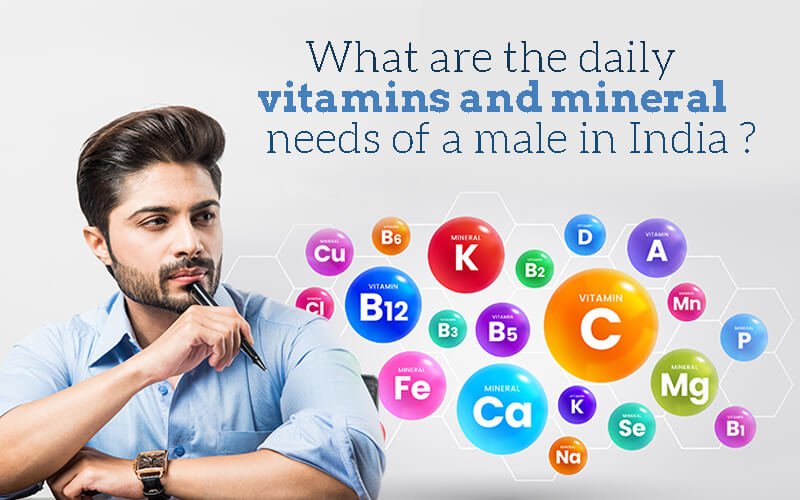
Vitamins and minerals are essential nutrients your body needs to function properly. They support everything from energy metabolism and immune function to healthy bones, blood formation, nerve activity, and normal cell function. Although your body needs them in relatively small amounts, not getting enough of certain nutrients over time can contribute to deficiency and affect overall health.
The good news is that most people can get many of the vitamins and minerals they need by eating a varied, nutrient-rich diet. Fruits, vegetables, whole grains, beans, nuts, seeds, dairy products or alternatives, eggs, fish, seafood, and other protein-rich foods can all contribute important nutrients.
The NIH Office of Dietary Supplements provides evidence-based information about individual vitamins, minerals, recommended amounts, food sources, safety, and supplements.
Understanding what vitamins and minerals do and where they come from can make it easier to build healthier eating habits.
What Are Vitamins and Minerals?
Vitamins and minerals are micronutrients. Unlike carbohydrates, protein, and fat, your body needs them in smaller quantities, but they are still essential for normal biological processes.
What Are Vitamins?
Vitamins are organic compounds that help regulate many processes in the body. They are generally divided into two groups: water-soluble and fat-soluble vitamins.
Water-soluble vitamins include vitamin C and the B vitamins. Because the body generally stores smaller amounts of many water-soluble vitamins, regular dietary intake is important.
Fat-soluble vitamins include vitamins A, D, E, and K. These vitamins can be stored in the body’s tissues and liver.
What Are Minerals?
Minerals are naturally occurring elements that the body needs for processes such as bone development, fluid balance, nerve signaling, muscle contraction, and oxygen transport.
Important minerals include calcium, iron, magnesium, potassium, zinc, iodine, selenium, phosphorus, and copper.
Both vitamins and minerals work together. A balanced diet therefore focuses on overall nutrient variety rather than relying on a single “superfood” or supplement.
Essential Vitamins Your Body Needs
Different vitamins have different functions, and no single vitamin can replace the others.
Vitamin A
Vitamin A supports normal vision, immune function, and healthy tissues. Food sources include carrots, sweet potatoes, spinach, other leafy green vegetables, eggs, and some dairy products.
Orange and yellow vegetables often contain carotenoids that the body can convert into vitamin A.
B Vitamins
The B-vitamin family includes several different nutrients, including B1, B2, B3, B5, B6, biotin, folate, and B12.
B vitamins are involved in energy metabolism, cell function, and nervous-system processes. Good sources can include whole grains, beans, vegetables, eggs, dairy foods, meat, poultry, seafood, and fortified foods.
Vitamin B12 deserves particular attention because natural B12 is found primarily in animal-derived foods. People following vegetarian or vegan diets may need fortified foods or supplements depending on their dietary intake and individual needs.
Vitamin C
Vitamin C is involved in collagen formation, wound healing, and immune function. It also helps the body absorb iron from plant foods.
Citrus fruits, strawberries, tomatoes, bell peppers, broccoli, kiwi, and other fruits and vegetables can provide vitamin C.
Vitamin D
Vitamin D helps the body absorb calcium and supports bones, muscles, and other biological functions.
Few foods naturally contain large amounts of vitamin D. Sources can include fatty fish and fortified foods. Sunlight also contributes to vitamin D production, although the amount produced varies depending on factors such as skin type, location, season, clothing, and sun exposure.
People at risk of vitamin D deficiency should discuss appropriate testing or supplementation with a healthcare professional.
Vitamin E
Vitamin E acts as an antioxidant and supports immune function. Nuts, seeds, vegetable oils, spinach, and other green vegetables can provide vitamin E.
Vitamin K
Vitamin K plays an important role in normal blood clotting and is also involved in bone health. Green leafy vegetables such as spinach, kale, and other leafy greens are important dietary sources.
People taking certain blood-thinning medications should speak with their healthcare professional before making major changes to their vitamin K intake.
Essential Minerals Your Body Needs
Minerals are equally important for maintaining normal body functions.
Calcium
Calcium is essential for strong bones and teeth. It also plays roles in muscle function and nerve signaling.
Dairy foods such as milk, yogurt, and cheese are common sources. Calcium can also be found in fortified plant beverages, tofu made with calcium, some leafy greens, and certain fish eaten with edible bones.
Iron
Iron is necessary for hemoglobin, the protein in red blood cells that carries oxygen throughout the body.
Iron-rich foods include lean meat, poultry, seafood, beans, lentils, spinach, and iron-fortified grains.
Iron needs vary considerably between individuals. People with suspected iron deficiency should avoid taking high-dose iron supplements without professional guidance because excess iron can also be harmful.
Magnesium
Magnesium contributes to normal muscle and nerve function, blood glucose regulation, and many other processes.
Nuts, seeds, legumes, whole grains, and leafy green vegetables are useful dietary sources.
Potassium
Potassium helps maintain normal fluid balance, muscle function, and nerve signaling. Foods such as potatoes, bananas, beans, tomatoes, leafy greens, yogurt, and some fish can provide potassium.
People with kidney disease or certain medical conditions may have specific potassium restrictions, so individual advice can be important.
Zinc
Zinc supports immune function, wound healing, cell growth, and normal metabolism.
Good food sources include meat, seafood, dairy products, beans, nuts, seeds, and whole grains.
Iodine
Iodine is required to produce thyroid hormones, which help regulate metabolism and other body functions.
Iodized salt, seafood, dairy products, and eggs can provide iodine. Requirements can vary depending on age and life stage.
Selenium
Selenium is involved in thyroid function, reproduction, DNA production, and protection of cells from oxidative damage.
Seafood, meat, eggs, dairy products, grains, and nuts can contain selenium, although amounts vary depending on the food and growing conditions.
How to Get More Vitamins and Minerals From Food
A varied diet is one of the simplest ways to increase your intake of essential nutrients.
Eat a Variety of Vegetables
Try to include vegetables from different color groups throughout the week. Dark leafy greens, orange vegetables, tomatoes, peppers, cruciferous vegetables, and other produce provide different combinations of vitamins, minerals, fiber, and plant compounds.
Instead of eating the same vegetable every day, rotate your choices.
Include Different Fruits
Fruits can provide vitamin C, folate, potassium, and other nutrients. Whole fruit is generally a practical choice because it also provides dietary fiber.
Try adding berries, citrus fruits, apples, bananas, melon, or other seasonal fruits to meals and snacks.
Choose Whole Grains and Legumes
Whole grains, beans, peas, and lentils can contribute nutrients such as magnesium, iron, folate, and several B vitamins.
They can also provide fiber and help make meals more filling.
Include Nutrient-Rich Protein Foods
Eggs, fish, seafood, lean meats, dairy products, beans, lentils, nuts, and seeds can all contribute important vitamins and minerals.
Using a mixture of plant and animal protein sources, when appropriate for your dietary pattern, can increase overall nutrient variety.
Signs You May Not Be Getting Enough Nutrients
Nutrient deficiencies can sometimes cause noticeable symptoms, but symptoms are not always specific to one vitamin or mineral.
Common Symptoms Can Have Many Causes
Fatigue, weakness, changes in skin or hair, mouth problems, numbness, poor concentration, or frequent illness can have many possible causes. A symptom alone does not prove that you have a vitamin or mineral deficiency.
For example, tiredness may be associated with inadequate iron, but it can also occur because of poor sleep, stress, infection, medication effects, or other health conditions.
If symptoms persist, a healthcare professional can determine whether testing is appropriate.
Some People Have Higher Nutritional Needs
Nutrient requirements can change during pregnancy, childhood, adolescence, older age, and periods of illness.
People following restrictive diets, those with certain digestive conditions, and individuals taking medications that affect nutrient absorption or metabolism may also need individualized nutritional advice.
Do You Need Vitamin and Mineral Supplements?
Supplements can be useful in specific situations, but they are not automatically necessary for everyone.
Food Should Usually Be the Starting Point
Whole and minimally processed foods provide more than isolated vitamins and minerals. They can also provide protein, fiber, healthy fats, and other beneficial food components.
The NIH notes that multivitamin and mineral supplements cannot replace the variety of foods that form a healthy diet.
Supplements May Be Appropriate for Some People
A healthcare professional may recommend a supplement when someone has a confirmed deficiency, increased nutritional needs, limited dietary intake, or another reason that makes adequate intake difficult.
Examples can include vitamin B12 for some people who avoid animal foods, folic acid during pregnancy planning and pregnancy, or vitamin D when an individual has inadequate levels or increased risk.
The appropriate nutrient and dose depend on the person.
More Is Not Always Better
Taking large amounts of vitamins or minerals can be harmful. Some nutrients can accumulate in the body, while excessive amounts of others can cause side effects or interact with medications.
Before starting a high-dose supplement, check with a doctor, pharmacist, or registered dietitian, particularly if you take prescription medicines or have a medical condition.
How to Build a Vitamin- and Mineral-Rich Meal
You do not need complicated recipes to improve nutrient intake.
Use a Simple Balanced Plate
A practical meal can include vegetables or fruit, a source of protein, a whole grain or other nutrient-rich carbohydrate, and a source of healthy fat.
For example, a meal might combine:
- Leafy greens and other vegetables
- Lentils, beans, eggs, fish, chicken, or another protein
- Brown rice, oats, whole-grain bread, or another whole grain
- Nuts, seeds, or a small amount of healthy cooking oil
- Fruit or yogurt as an additional food
This type of variety makes it easier to obtain multiple nutrients from different foods.
Plan Variety Across the Week
You do not have to obtain every vitamin and mineral from every meal.
Instead, think about variety across several days. Rotate vegetables, fruits, protein foods, grains, nuts, seeds, and other nutrient-rich foods.
Vitamins and Minerals for Different Life Stages
Nutritional needs are not identical throughout life.
Children and Teenagers
Growing children and teenagers need adequate nutrients to support growth and development. Calcium, vitamin D, iron, zinc, and several other nutrients are particularly important during growth.
Adults
Adults benefit from a balanced dietary pattern that supplies nutrients while supporting healthy body weight, cardiovascular health, muscle function, and overall wellness.
Older Adults
As people age, calorie needs may change while the need for certain nutrients remains important. Adequate protein, vitamin B12, vitamin D, calcium, and other nutrients may require particular attention depending on individual circumstances.
Common Mistakes to Avoid
Improving vitamin and mineral intake does not require perfection.
Relying on One Food
No single food provides every nutrient your body needs. A diverse diet is more useful than focusing heavily on one food or ingredient.
Taking Supplements Without a Reason
A supplement is not automatically beneficial simply because it contains a nutrient your body needs. The dose, form, interactions, and individual circumstances matter.
Ignoring Dietary Variety
Eating the same limited selection of foods every day can make it harder to obtain a broad range of nutrients.
Aim for variety in color, food groups, and protein sources.
When to Talk With a Healthcare Professional
Consider professional guidance if you have persistent symptoms that could indicate a nutrient problem, have been diagnosed with a deficiency, follow a highly restrictive diet, are pregnant, have a digestive condition affecting nutrient absorption, or take medications that may interact with supplements.
Blood tests may be appropriate for some suspected deficiencies, but testing should be guided by symptoms, risk factors, medical history, and professional judgment.
Frequently Asked Questions
What are the most important vitamins and minerals?
All essential vitamins and minerals have specific roles in the body. Important nutrients include vitamins A, B vitamins, C, D, E, and K, along with minerals such as calcium, iron, magnesium, potassium, zinc, iodine, and selenium.
The nutrients you need most urgently depend on your diet, age, health, and individual circumstances.
Can a healthy diet provide enough vitamins and minerals?
For many people, a varied and balanced diet can provide most essential nutrients. However, some people may need supplements because of dietary restrictions, life stage, medical conditions, deficiencies, or other factors.
How do I know if I have a vitamin deficiency?
Symptoms alone cannot reliably identify a specific deficiency. A healthcare professional can review your diet and medical history and determine whether testing is appropriate.
Are vitamins safe to take every day?
Many vitamins are safe when taken at appropriate amounts, but high doses can sometimes cause harm. Follow product directions and professional advice rather than assuming that larger doses provide greater benefits.
Final Thoughts
Vitamins and minerals are essential for everyday health, but getting enough does not have to be complicated. The most practical approach is to build meals around a wide variety of vegetables, fruits, whole grains, legumes, protein foods, nuts, seeds, and other nutrient-rich choices.
Supplements can have an important role when there is a specific nutritional need, but they should not replace a balanced diet. If you are concerned about a possible deficiency or are considering high-dose supplementation, discuss your situation with a qualified healthcare professional.
A varied diet, sensible food choices, and individualized medical guidance can help you meet your nutritional needs while supporting long-term health and wellness.
Health information on this page is intended for general educational purposes and should not replace individualized medical advice, diagnosis, or treatment.